Lifting Capacity for Complex Removals
Crane Service in Franklin for confined removal sites, hazardous tree positions, or properties with structure proximity risks
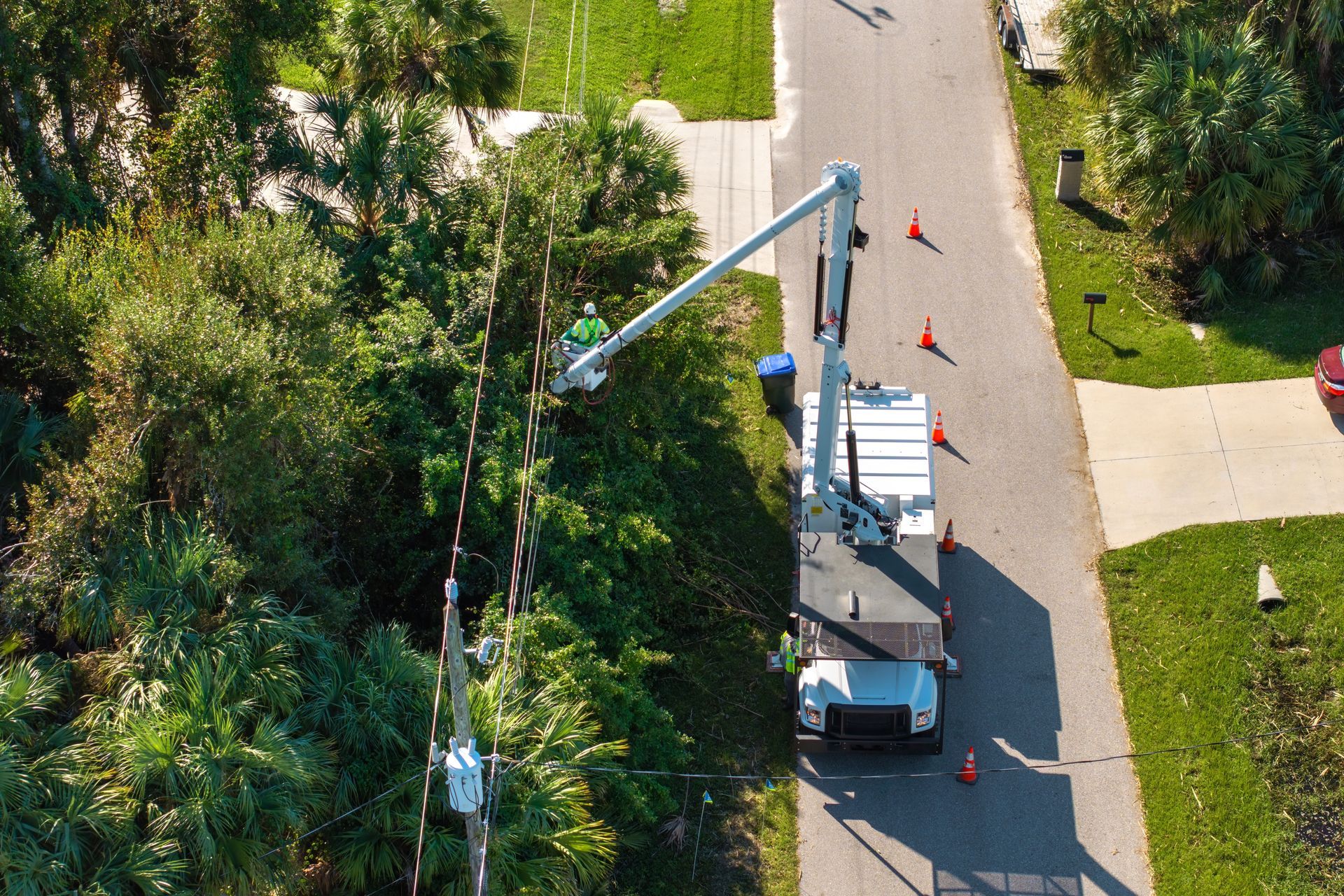
Trees positioned between buildings, leaning over power lines, or rooted on slopes where felling would send timber into structures require crane assistance to remove safely. Parker Tree Service LLC provides crane support for difficult removals where conventional climbing and rigging can't control descent paths, where tree failure risk is immediate, or where surrounding property offers no drop zone. The service handles large specimens that exceed safe rigging capacity, trees with decay that makes climbing dangerous, and removals where minimizing ground impact protects landscaping, septic systems, or adjacent structures.
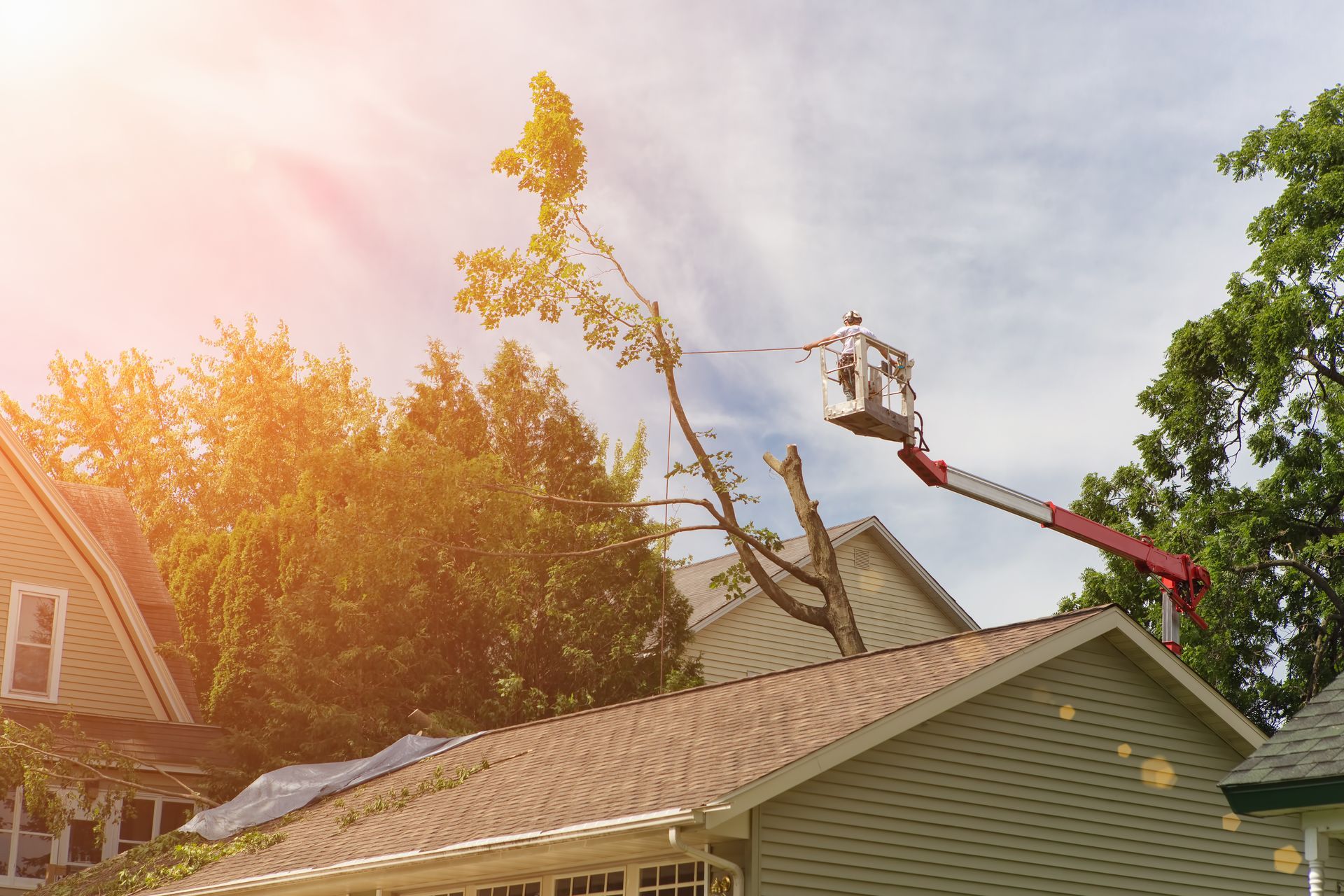
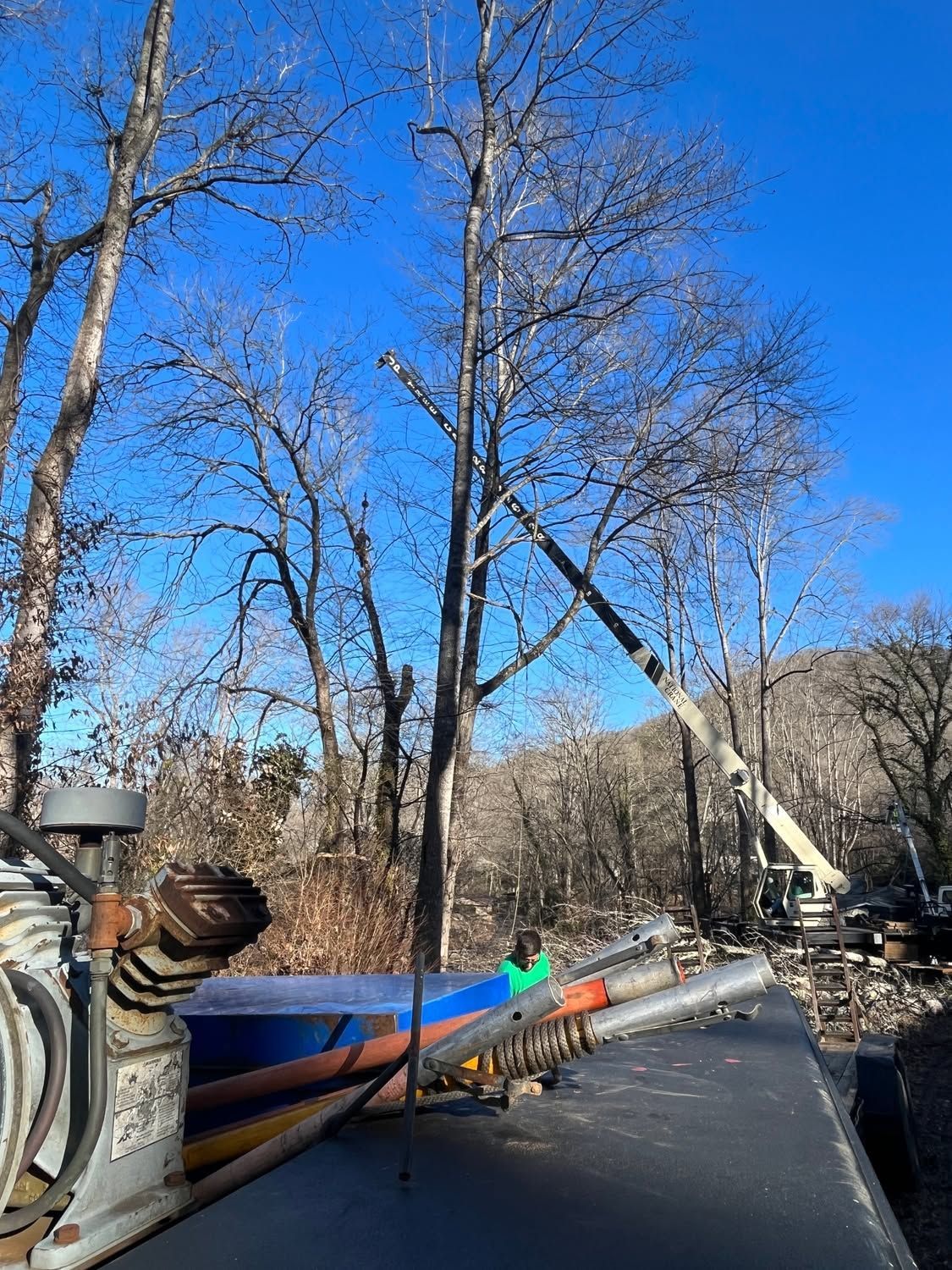
Crane-assisted removal lifts sectioned tree pieces vertically from the canopy, controlling the descent path completely and placing each section in a designated landing zone away from structures, vehicles, and sensitive site features. The method eliminates the lateral swing and ground impact associated with roped rigging on large or unbalanced trees.
Schedule a site assessment to evaluate tree position, crane access routes, and lifting requirements for your removal project.
Cranes provide lift capacity and reach that exceed manual rigging limits—operators section trees from the top down, attach rigging to each piece before cutting, and lift it clear of the work zone without ground contact. Properties with homes built into wooded hillsides or with mature trees planted near foundations benefit most, as crane service prevents sections from dropping onto roofs, decks, or retaining walls during removal.
Once the removal is complete, the tree is gone without collateral damage to surrounding structures, landscaping remains intact except for the stump location, and no debris impacts roofs or compresses soil near septic drain fields. You avoid the property disturbance that results when large sections are roped down and dragged across yards, and the removal proceeds faster than climbing and piecing out would allow on complex trees.
Crane projects require site access for both the crane and the removal crew's equipment—properties with narrow driveways, gated entrances, or overhead utility lines may need coordination with utility companies or temporary access arrangements. Weight limits on septic systems and underground utilities also factor into crane positioning, as outrigger pads distribute load but still require stable, obstruction-free ground.
Questions Before Starting Your Project
Crane-assisted tree removal involves logistics, safety considerations, and site preparation specific to confined or hazardous locations.
What makes a tree removal project require crane assistance?
Trees positioned where no safe drop zone exists, specimens too large or decayed for climbers to safely ascend, and situations where rigging forces would exceed safe limits for surrounding anchor trees all benefit from crane support. Franklin properties often require cranes for trees on steep slopes where felling would send timber downhill into structures.
How is crane access determined on residential properties?
Crane positioning requires level ground, clearance for outriggers to extend fully, and overhead space free of power lines or branches. Site evaluations identify the closest practical setup location, confirm that driveways or yards can support the crane's weight, and determine whether temporary utility disconnection is needed for clearance.
What happens during a crane-assisted removal?
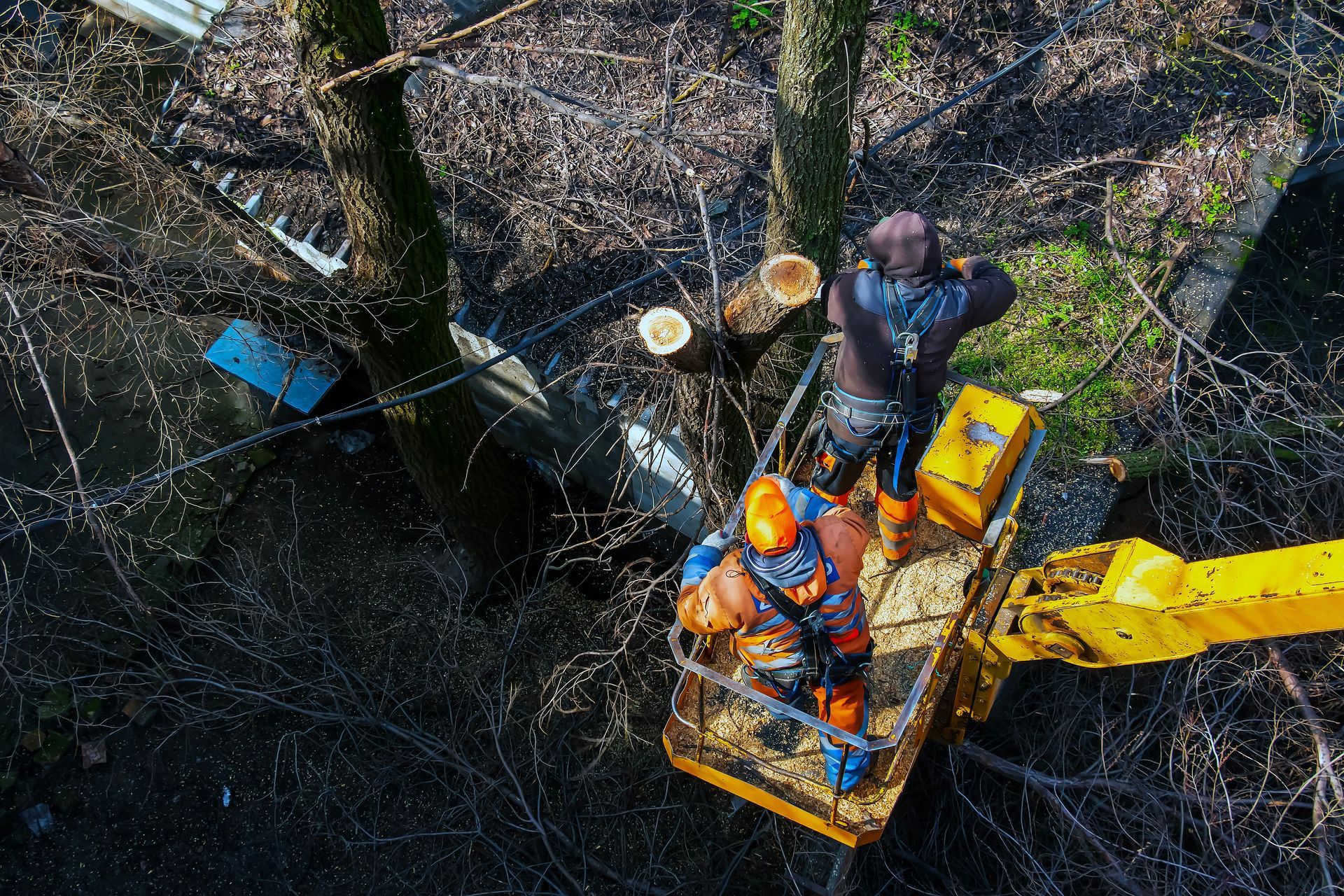
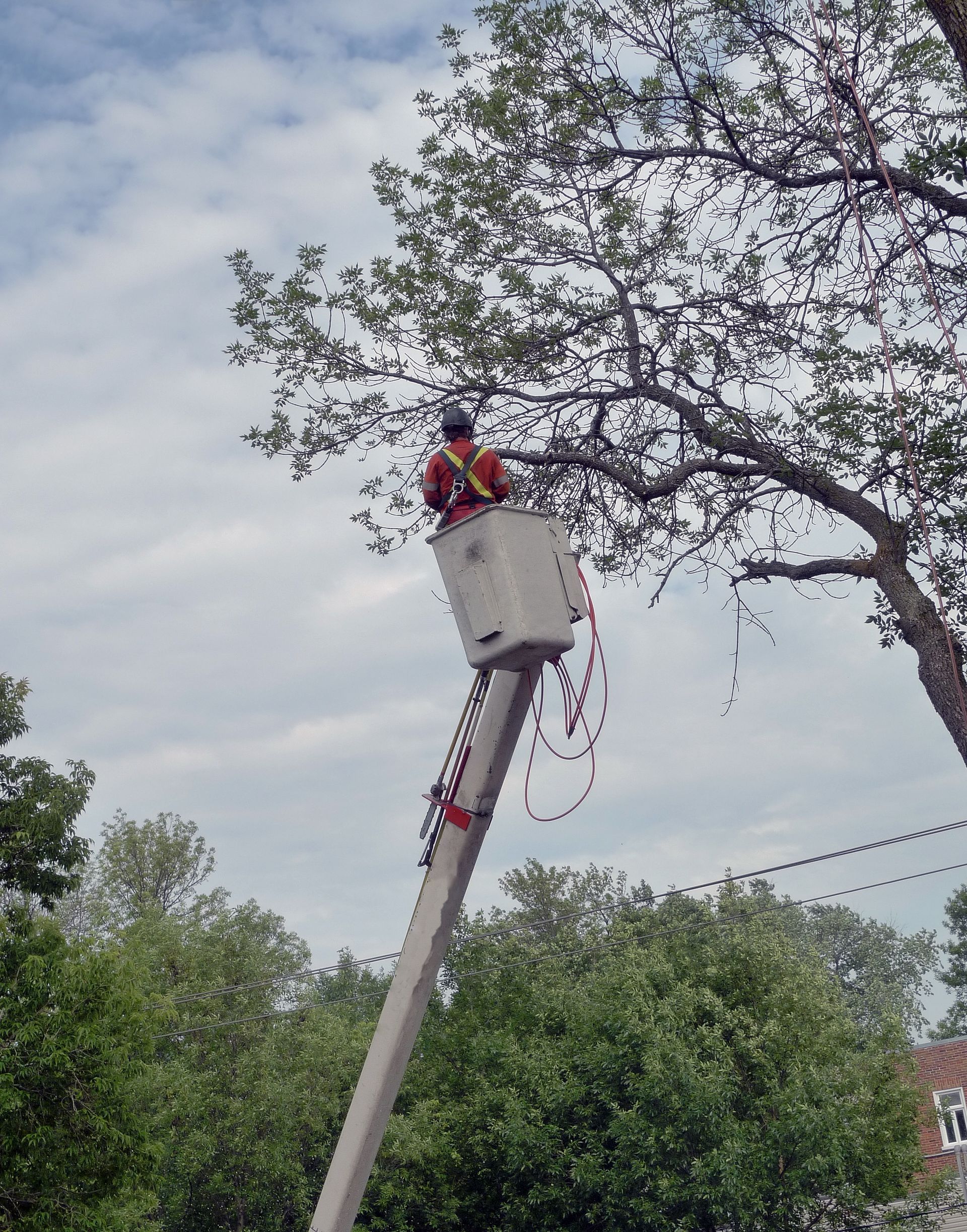
Climbers ascend the tree or use the crane bucket to reach upper sections, rigging each piece before cutting. The crane lifts each section vertically away from structures and lowers it to a staging area for processing. The process continues until only the trunk remains, which is then removed in manageable sections.
How does crane service minimize impact to surrounding property?
Controlled lifting eliminates lateral swing and ground impact, preventing turf damage, protecting nearby plants, and avoiding contact with fences, sheds, or other structures. Debris is placed precisely in staging areas rather than scattered across the property as it would be with traditional rigging.
When should crane removal be scheduled instead of conventional methods?
Projects where the risk of property damage exceeds the cost of crane service, where tree failure is imminent and climbing presents danger, or where homeowner peace of mind justifies the additional control and speed crane assistance provides.
Parker Tree Service LLC coordinates crane operations for residential and commercial removals in Franklin where confined spaces, hazardous tree conditions, or proximity risks demand controlled lifting. Contact the service to arrange a site visit and discuss crane access, tree positioning, and project requirements specific to your property.