Support Systems That Preserve Mature Trees
Tree Cabling & Bracing in Franklin for structurally weak limbs and trunks showing failure risk
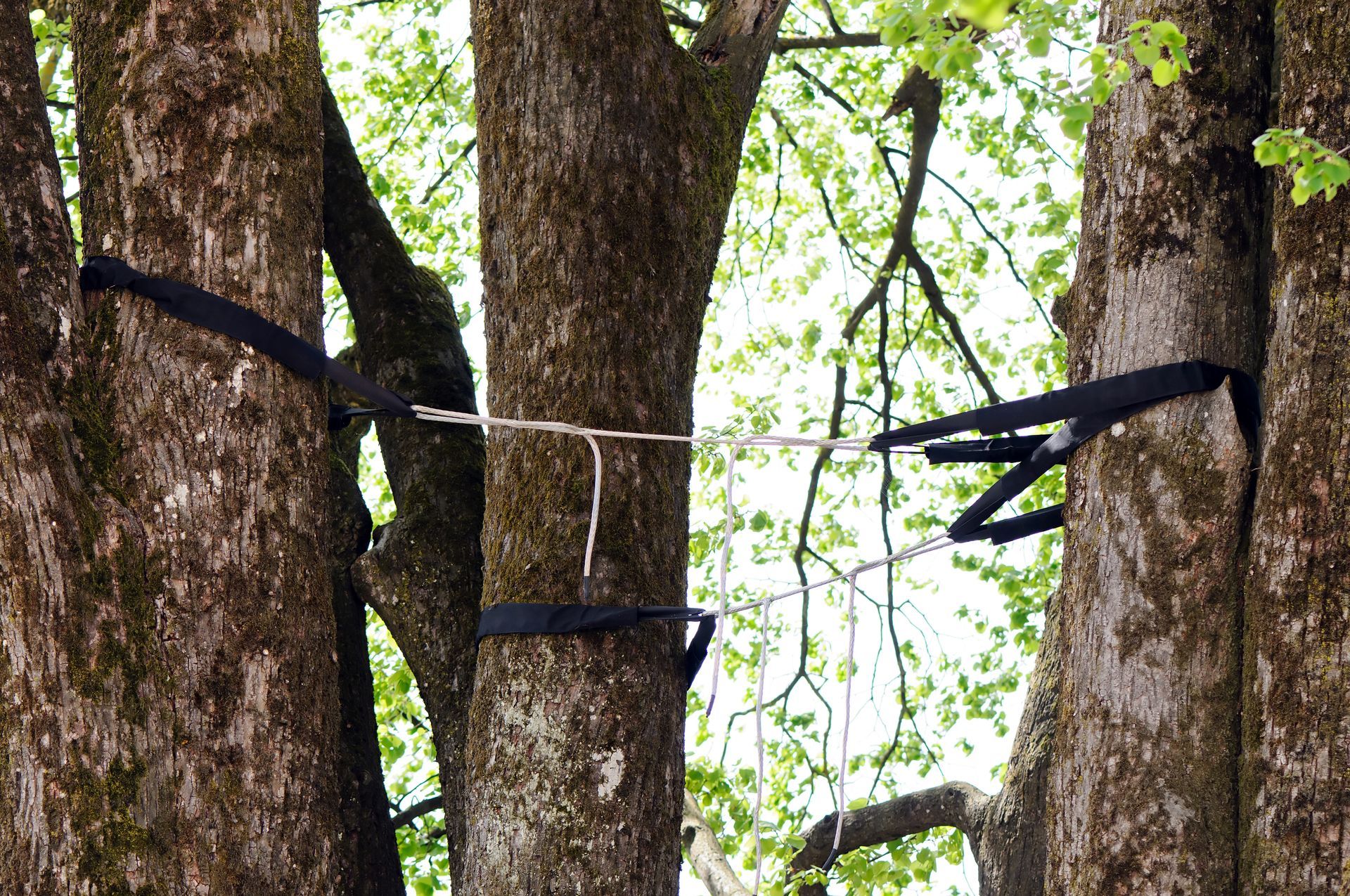
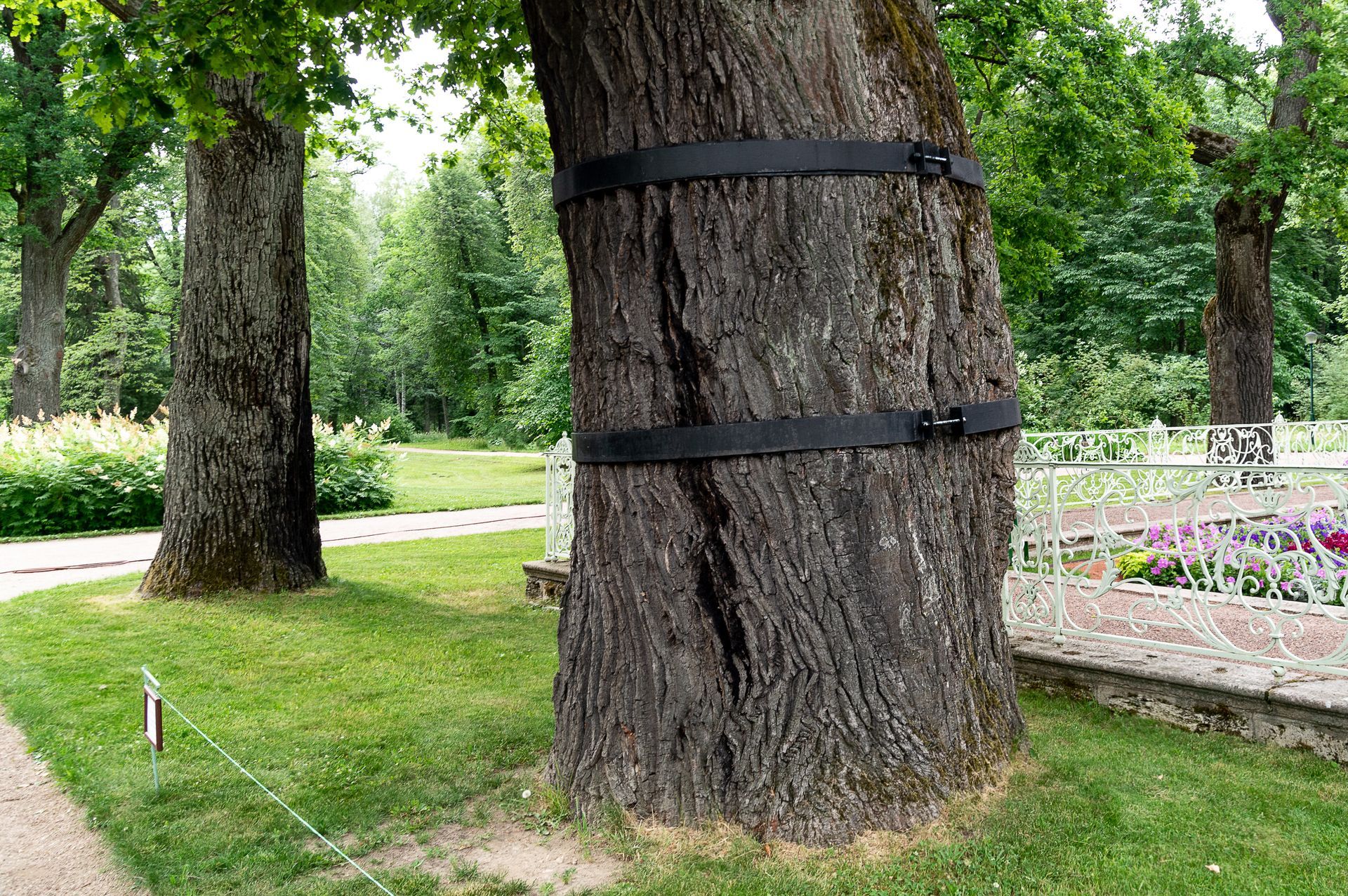
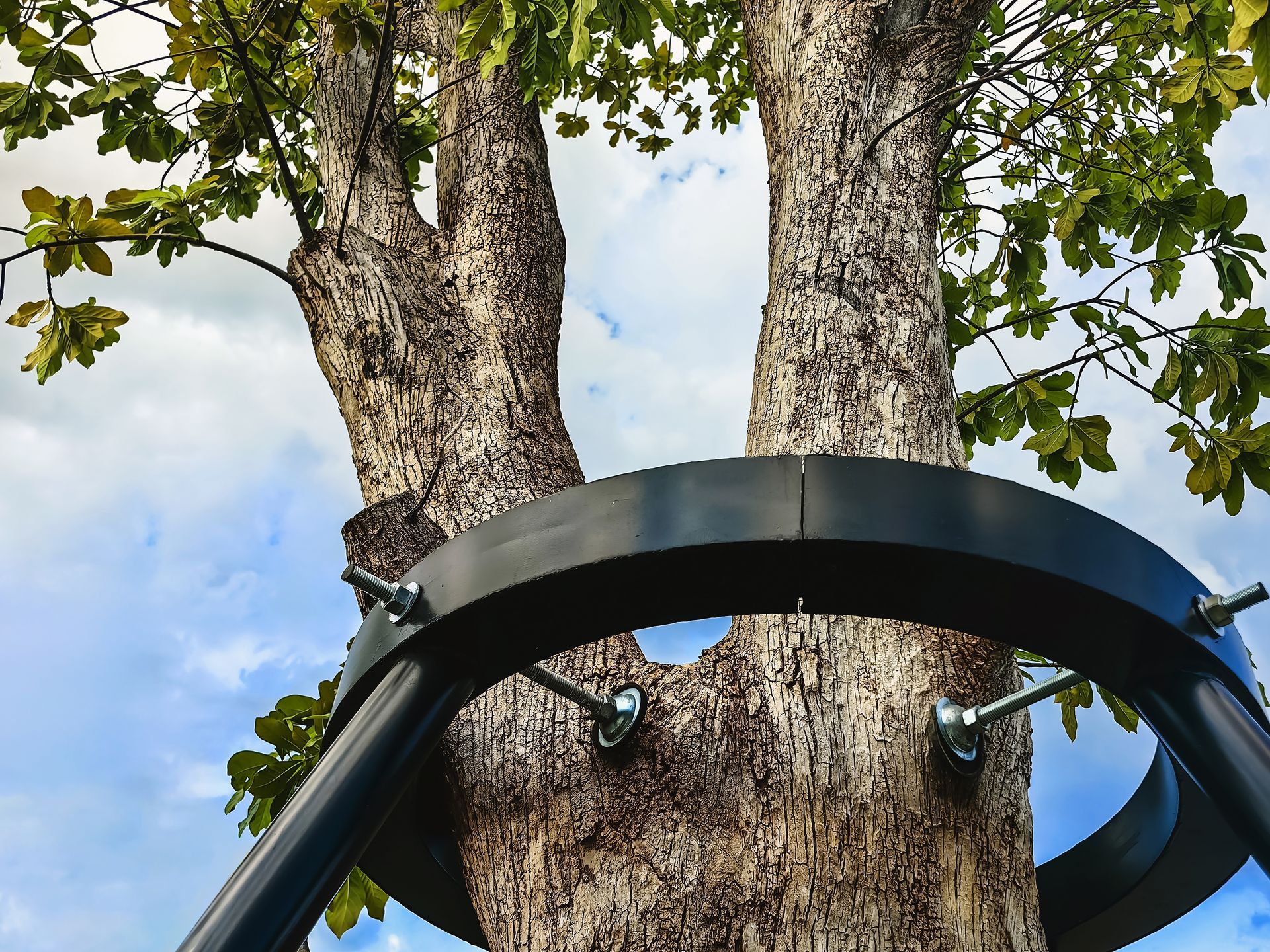
Weak branch unions, co-dominant trunks, and limbs with visible cracks can often be stabilized rather than removed when the tree holds value for shade, property aesthetics, or landscape maturity. Cabling installs flexible steel cables high in the canopy to limit the movement of weak unions during wind events, while bracing uses rigid rods to bolt through splits or cracks that have not yet failed completely. Parker Tree Service LLC evaluates trees showing structural concerns and installs support systems that reduce the likelihood of catastrophic failure while preserving the tree's function on the property.
This service applies to mature trees where removal would significantly affect property value or aesthetics, and where the structural issue can be managed without eliminating the tree entirely. The decision to cable or brace depends on the defect location, the tree's overall health, and whether the support system can realistically reduce failure risk enough to justify keeping the tree in place.
Request an inspection for trees showing cracks, splits, or leaning trunks before structural failure occurs.
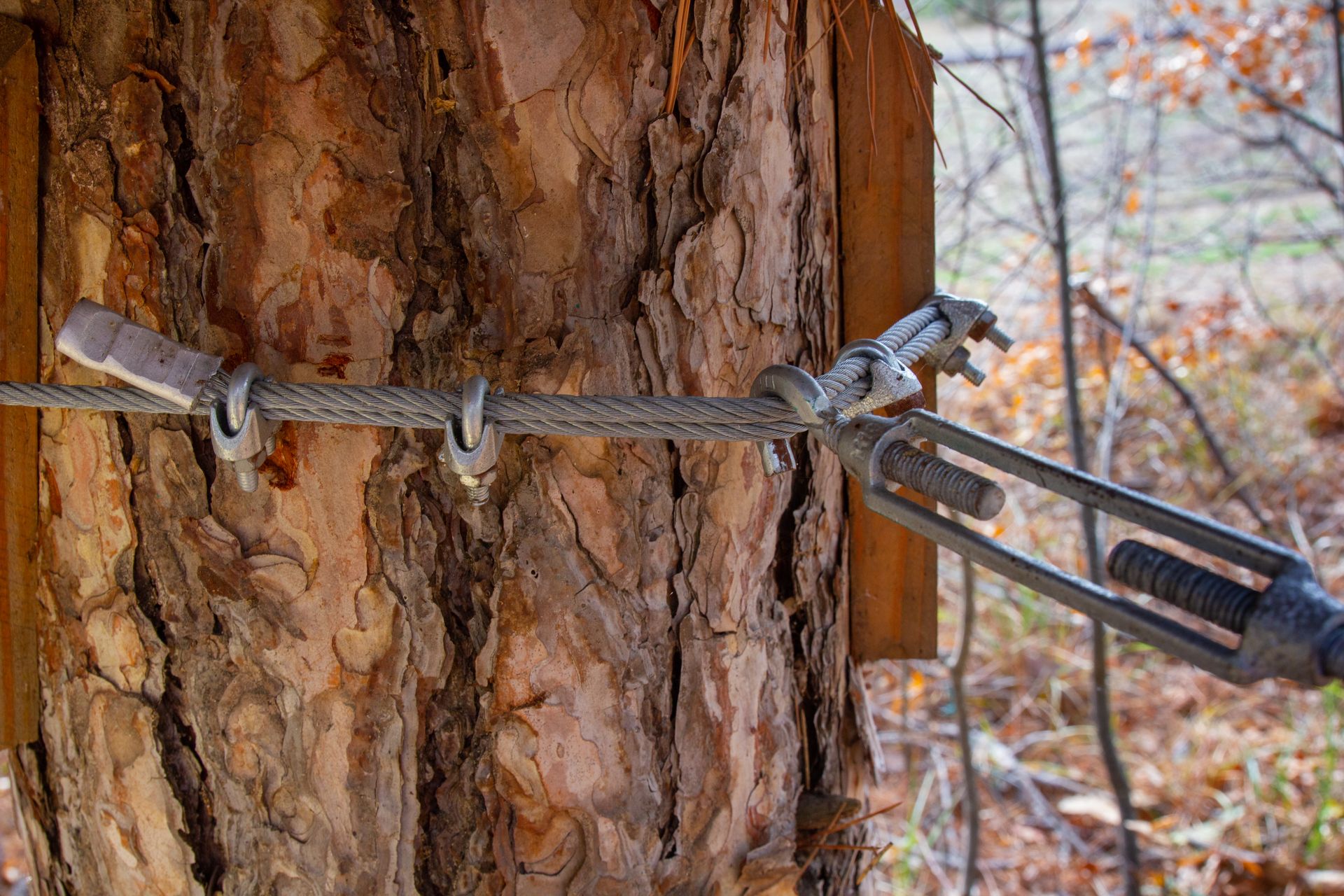
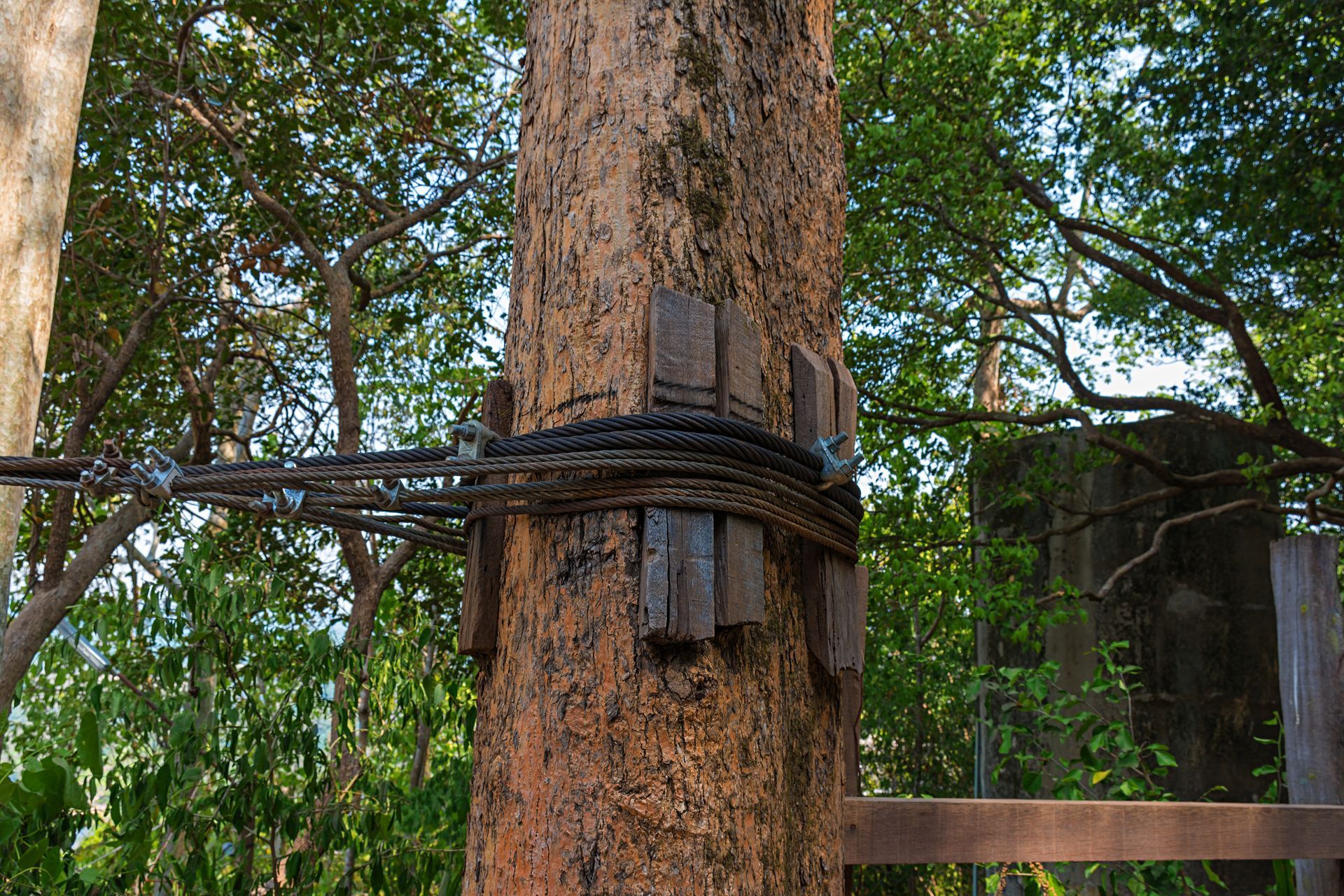
Cabling connects weak limbs or trunks to stronger anchor points using high-strength steel cables installed through eyebolts or around limbs at specific heights in the canopy. The cables limit the range of motion during wind events, reducing the leverage forces that cause weak unions to split further. Bracing involves drilling through cracks or splits and installing threaded rods that physically hold the damaged wood together, preventing the defect from opening further under load.
Once support systems are installed, the tree remains functional and continues growing, but the risk of sudden limb or trunk failure during storms decreases measurably. You retain the shade, windbreak, and aesthetic value the tree provides, and avoid the cost and landscape disruption of removing and replacing a mature specimen. The tree's overall lifespan extends, though cabling and bracing do not reverse the underlying defect or eliminate all risk.
Support systems require periodic inspection to verify that cables remain tensioned correctly and that growth has not compromised bolt placements, typically evaluated every three to five years depending on tree growth rate and environmental stress. Not all trees are candidates for cabling or bracing, particularly those with extensive decay, root failure, or poor overall vigor that will continue declining regardless of support.
What to Know Before Installing Support Systems
Support systems represent a compromise between removal and doing nothing, and understanding their limitations helps property owners make informed decisions.
What types of structural problems can cabling address?
Cabling works best for co-dominant trunks with weak unions, long horizontal limbs at risk of tearing away from the trunk, and multiple stems that need to be held together to prevent progressive splitting during wind loading.
How long do support systems last?
Steel cables and hardware can remain effective for decades if properly installed and maintained, but the tree's growth and ongoing stress from weather events require periodic inspection to confirm that the system is still functioning as intended.
When is bracing used instead of cabling?
Bracing applies to cracks or splits that have already formed but have not yet separated completely, where rigid rods physically hold the damaged sections together, whereas cabling prevents movement in unions that are still intact but structurally weak.
Does cabling stop a tree from growing?
Cabling does not restrict upward or outward growth, but limits the lateral movement of supported limbs and trunks during wind events, allowing the tree to continue normal metabolic function while reducing mechanical failure risk.
How do support systems perform in Franklin's storm patterns?
The region's combination of high winds, ice storms, and heavy summer thunderstorms places significant stress on weak tree unions, making support systems particularly valuable for preserving mature hardwoods that would otherwise require removal after a single major weather event.
Parker Tree Service LLC installs cabling and bracing systems for structurally compromised trees across Franklin when preservation makes practical and financial sense. Call (828) 342-3318 to schedule an evaluation for trees showing visible cracks, splits, or weak unions that may benefit from support systems.