Preparing Land for What Comes Next
Land & Lot Clearing in Franklin for properties with dense vegetation, construction timelines, or limited site access
Parker Tree Service LLC handles land and lot clearing throughout Franklin when overgrown brush, dense tree coverage, or unusable terrain prevents construction preparation, landscaping installation, or property access improvement. The service removes vegetation that blocks site development, eliminates fire hazards from accumulated brush, and creates grade-ready surfaces for builders, homeowners planning additions, and landowners converting wooded parcels into functional outdoor space. Franklin's elevation and rainfall produce persistent regrowth that limits usable acreage without systematic clearing.
Land clearing involves the removal of trees, brush, stumps, and root systems to specified boundaries, followed by debris hauling and surface grading that readies the site for construction equipment, utility installation, or landscaping projects. The process addresses properties where vegetation density prevents surveying, where building permits require cleared footprints, or where access roads must connect to interior lots.
Request a site evaluation to determine vegetation density, equipment access points, and timeline requirements for your property.
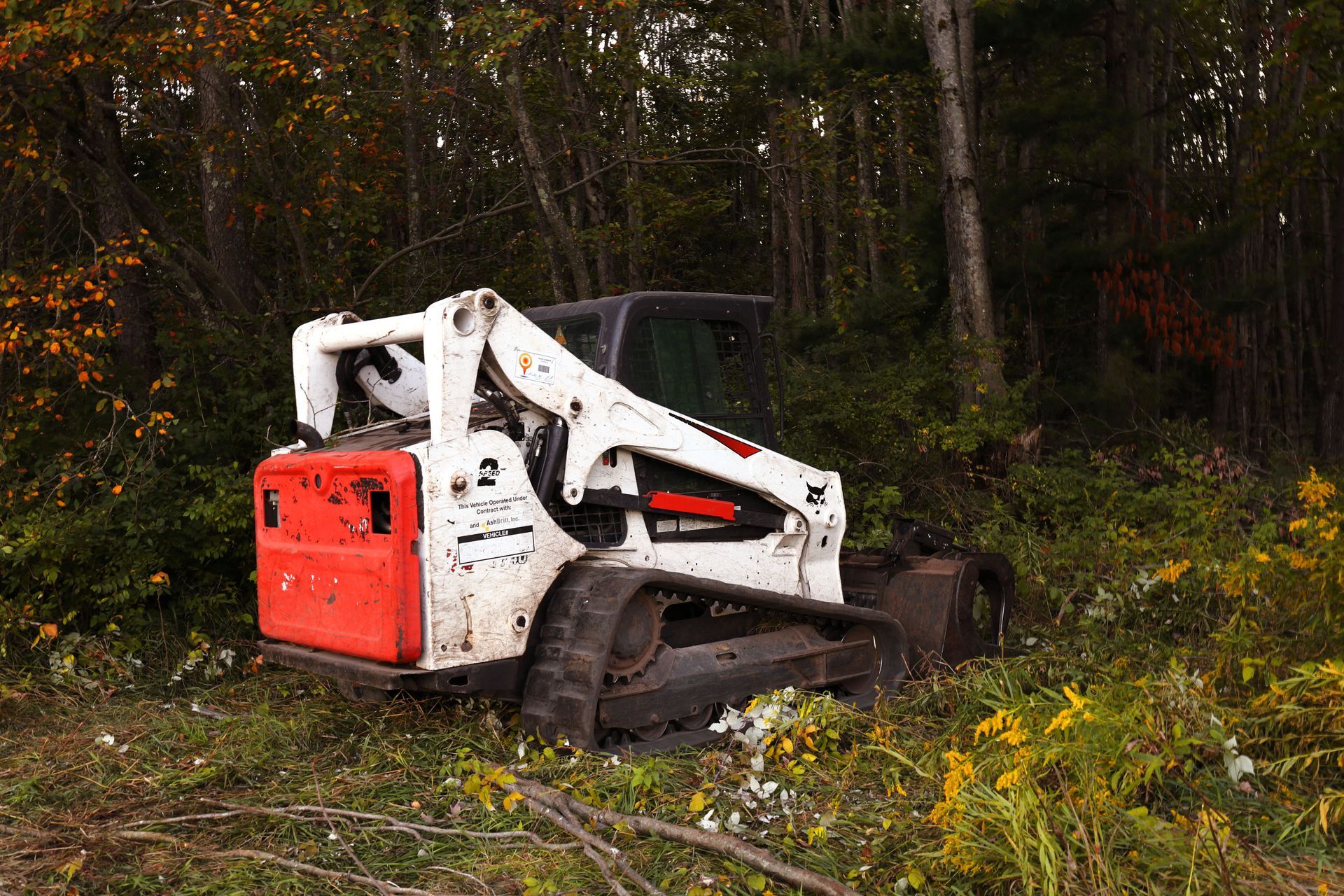
Professional equipment includes tracked machinery that navigates sloped terrain without compacting soil excessively, stump grinders that remove root systems below grade, and screening attachments that separate organic debris from topsoil. Franklin properties often require slope-rated equipment because clearing on uneven ground with standard loaders creates erosion channels and unstable surfaces once rain begins.
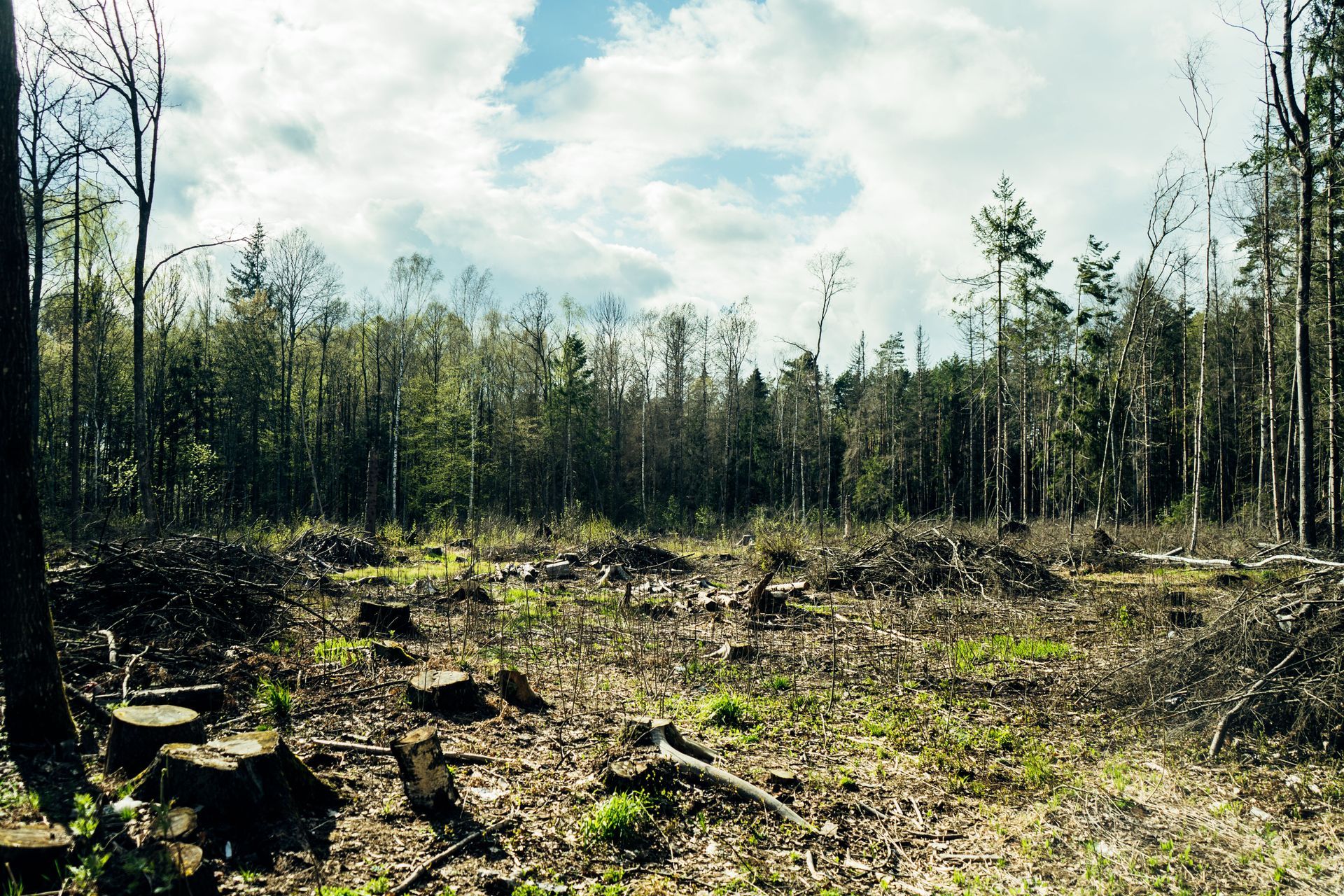
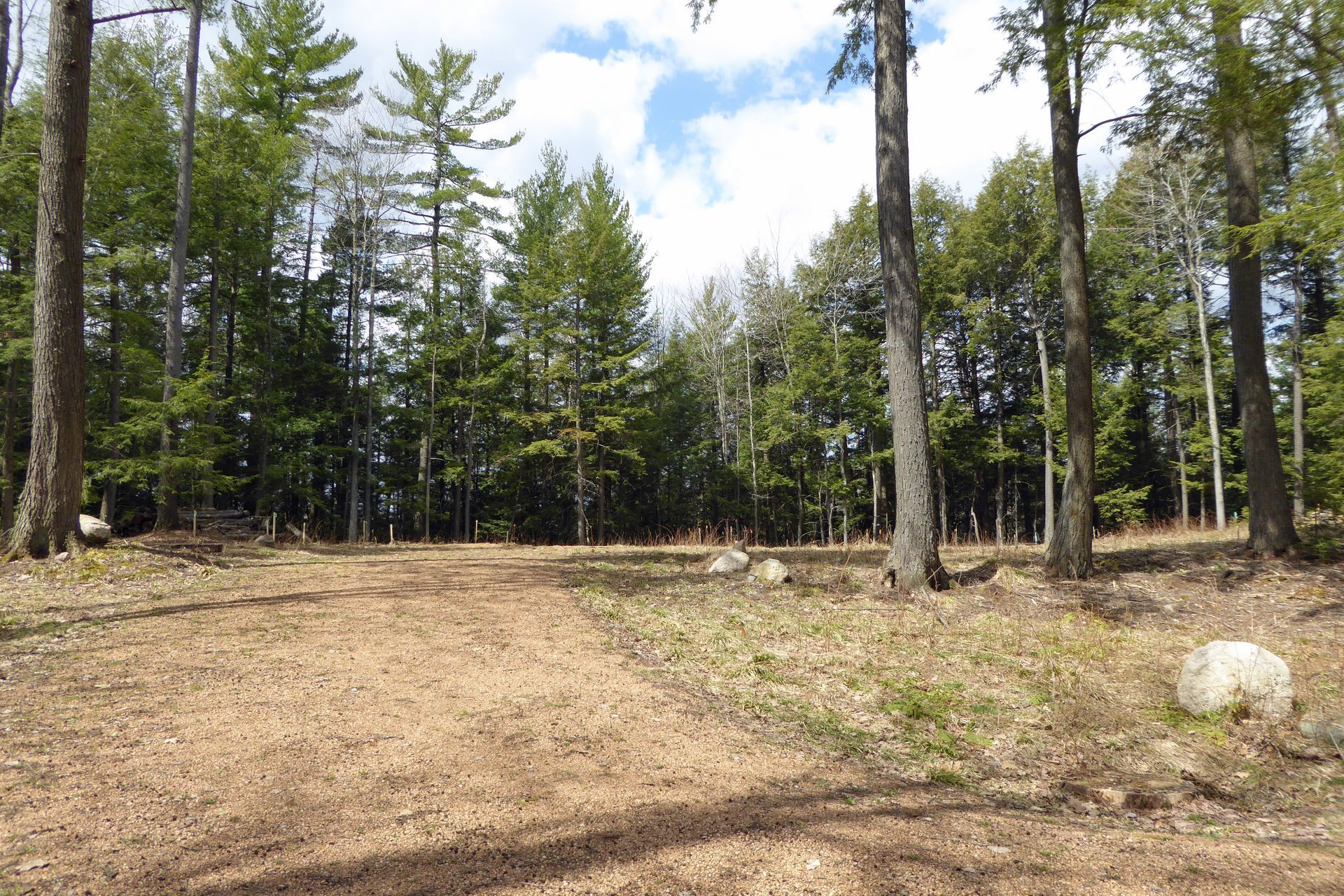
After clearing, you notice defined property lines without visual obstruction, level surfaces that drain predictably, and access corridors wide enough for delivery trucks or utility trenching equipment. Stumps no longer interfere with foundation layout, and the cleared footprint matches surveyed dimensions without requiring rework. Debris removal prevents decay piles that attract pests or create soft spots in the cleared area.
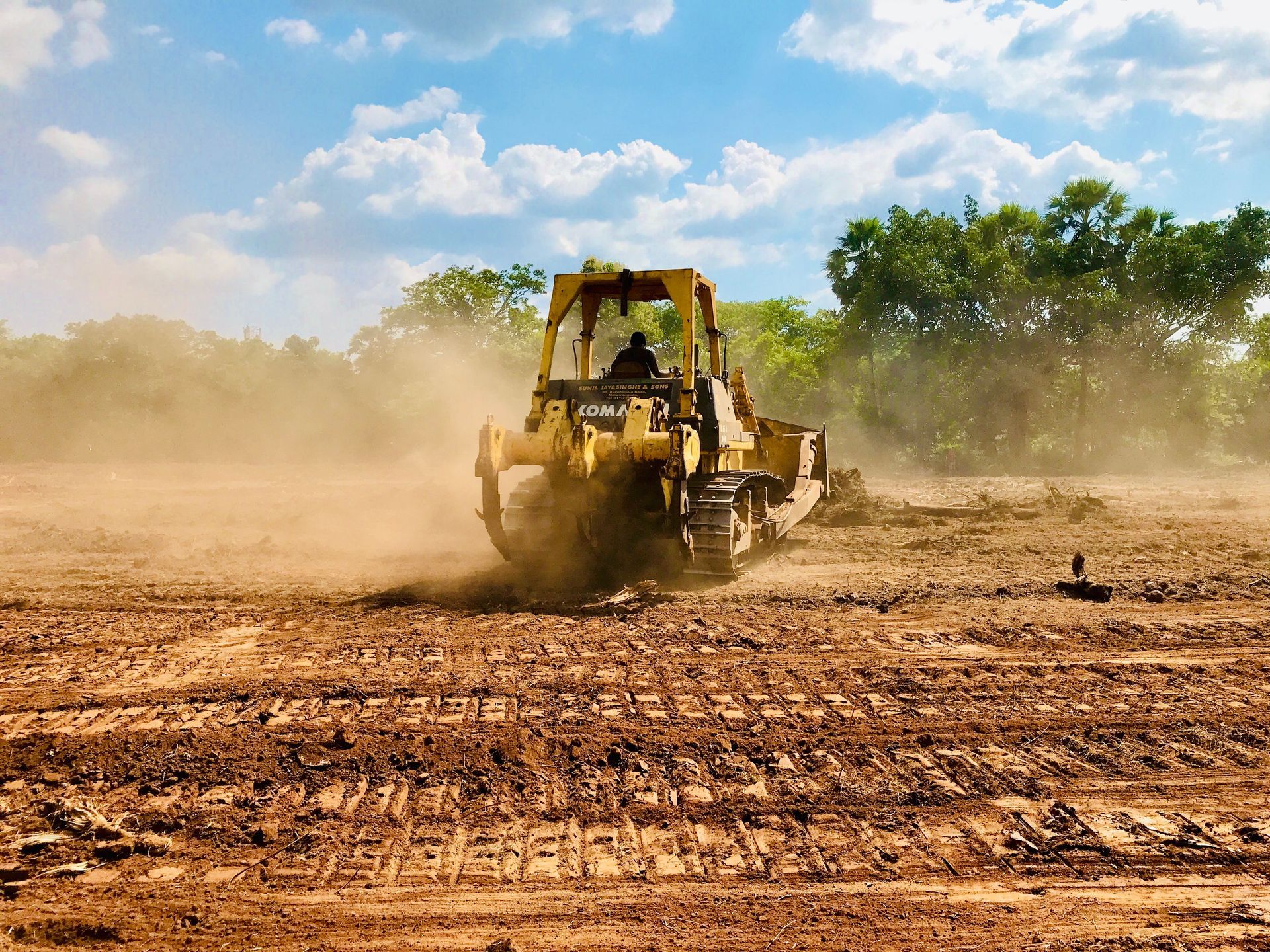
Complete projects also include cleanup that removes slash piles, smooths tire ruts from equipment passes, and stages cleared material for hauling or on-site chipping. Properties with planned landscaping require topsoil preservation during clearing, while construction sites prioritize compaction-ready surfaces that support concrete trucks and excavators without rutting.
What Property Owners Usually Ask
Clearing projects in Franklin and the surrounding mountain region involve specific considerations related to terrain, vegetation type, and site preparation standards.
What happens to the cleared vegetation and debris?
Brush and trees are either chipped on-site for mulch, hauled off the property, or staged in designated areas if you plan to use the material for erosion control or firewood. Stumps are ground below grade and backfilled unless you request removal for deep excavation projects.
How does slope affect the clearing process?
Steep terrain in Franklin requires tracked equipment that maintains traction without sliding, and clearing typically proceeds from top to bottom to prevent loose debris from accumulating in work zones. Properties with grades exceeding fifteen percent may need temporary erosion controls installed immediately after clearing to prevent soil loss during the next rain event.
What's the difference between clearing for construction versus landscaping?
Construction clearing removes all vegetation and root systems to create stable, compactable surfaces for foundations and driveways. Landscaping preparation preserves topsoil layers, maintains selected trees, and avoids deep grading that disrupts drainage patterns or exposes subsoil.
When should clearing be scheduled relative to construction timelines?
Clearing should occur after surveying and permitting but before utility installation or foundation work begins. Seasonal timing matters less than weather windows—wet soil conditions cause equipment rutting that requires additional grading to correct.
How is access maintained to interior portions of large lots?
Clearing crews establish temporary access corridors first, creating pathways wide enough for equipment to reach all work zones without damaging areas already cleared. These corridors often become permanent access roads or utility easements once the project advances.
Parker Tree Service LLC completes clearing projects with professional equipment suited to mountain terrain and provides debris removal that leaves sites ready for the next construction phase. Schedule a site evaluation to review vegetation density, slope considerations, and equipment access requirements specific to your Franklin property.